Six essays followed the dollar out the front of the restaurant. The last one follows it out the back, up the supply chain, to the layer the operator buys from and cannot see. Three faces of one squeeze, and the operator who finally holds all three.
Read the essay →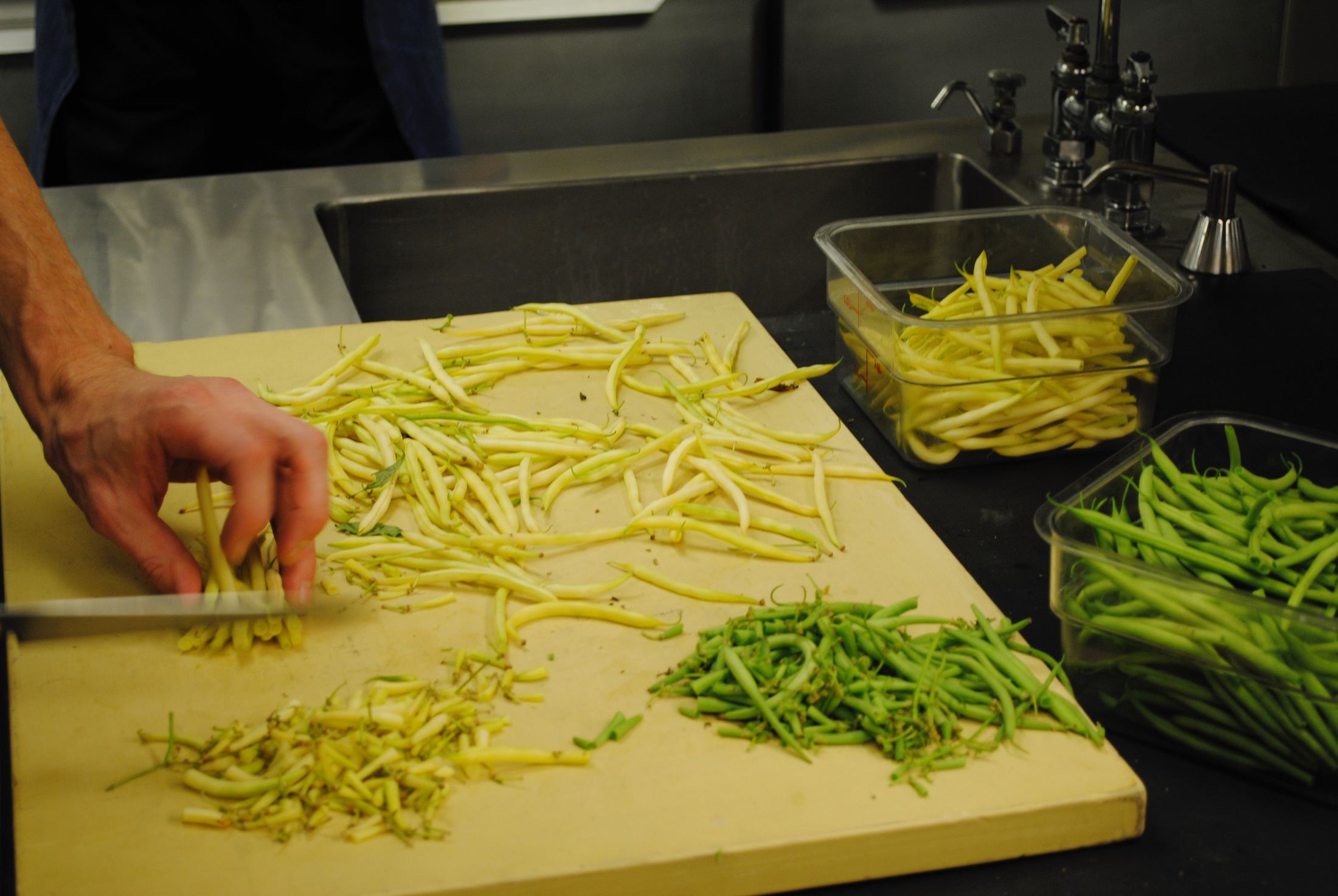
© Johnny Auer
25
Years in foodservice
$10B
Portfolio scale
$100M+
Transaction thesis
15+
Kitchen tech platforms evaluated
The operator's position is the work
The operator holds one position with three faces of one squeeze: customer channel, operating model, supply path. Every face leaks. The suppliers, capital, and builders that could close the gap rarely reach the operating context where the work would land.
For operators
The squeeze you feel is structural. The fix is not one vendor, one channel, or one cost line.
Restaurants, restaurant groups, and institutional foodservice operators run a position the rest of the chain depends on understanding. Most of the time, nobody upstream is accountable to it. Castle Peak runs the diagnostic at your scale, names the open face, and assembles the suppliers, structures, and partners that close it.
The work is operator-credible because the lens is built from the operator's seat. Single units, restaurant groups, regional concepts, institutional portfolios.
For suppliers, capital, and builders
You can solve a real operator problem. The operating context is the part nobody helps you reach.
If your product, technology, or thesis depends on operators adopting it under economics that hold, the question is which operator, with which position open, on which channel. Castle Peak does the diagnostic first. Representation, channel architecture, and operator introductions come from that, not before it.
For capital, the same lens runs as diligence. The growth thesis you are underwriting either fits the operator's position or it does not. Castle Peak says which.
Latest
Castle Peak works the point where suppliers, operators, and capital fail to meet on their own.
Diagnosis names the open face. Commercial architecture designs the structure that closes it. Introductions reach the operating context where the work has to land. Deployment carries the structure through the operator's first ninety days. Follow-through stays accountable to the outcome the operator can measure.
The work compounds because the structures compound. A cooking technology partner that lands in the right operator opens the protein demand. A procurement platform that closes the supply face opens the operating face. An institutional channel that reaches the underserved tier earns the scale a single supplier cannot reach alone. The architecture is the work.
KITCHEN TECH
AI & AUTOMATION
PROTEIN
CULINARY
CASTLE PEAK ECOSYSTEM
PROCUREMENT
DISTRIBUTION
OP SYSTEMS
CPG
Active engagements span kitchen technology, AI and automation, protein, culinary, procurement, distribution, operating systems, and CPG.
How it works
Advisory funds the work. Portfolio assembles the structures. Ventures is where the structures compound into owned positions. Three modes of the same diagnostic.
The Engine
Advisory
You know the problem. You need someone inside it.
Retainer-based commercial strategy and execution. Channel mapping, distribution strategy, operator introductions. The work that funds the ecosystem and deepens both sides of the market simultaneously.
Engagements run 90 days to ongoing. I embed in the problem, stay close to execution, and bring the institutional context that makes a strategy actually land. The relationships built here become the activation infrastructure for everything else Castle Peak does.
The Architecture
Portfolio
The product is ready. The market isn't built.
I represent your product to market. Equity and commission structures for companies that need a commercial partner, not a consultant. I architect the go-to-market, open the doors, and walk through them on your behalf.
And I stay through deployment. I assemble your activation around existing institutional platforms and distribution infrastructure so the connection scales without requiring anyone to change how they operate.
The Destination
Ventures
The advisory builds the relationships. The portfolio assembles the structures. Ventures is where the work compounds toward owned concepts and platform builds Castle Peak takes a direct position in. The first ventures are in development. The thesis behind them is on this site.
How I work
I start by listening. Most engagements begin with a conversation where you tell me what you're building, where you're stuck, and what you've already tried. I'll be honest about whether I can help, where the real leverage is, and whether the fit is right. If it isn't, I'll say so.
No two engagements look the same. The shape of the work follows the problem, not a deck. What stays constant is the posture: accountable to the outcome, not the billable hour.
Who I am
I am Johnny Auer. Twenty-five years across food and hospitality, on every side of the chain. Most recently I led food transformation for Sodexo's North American portfolio. Before that, I ran a Chicago agency working with the chef-driven rooms of the local-sourcing era. The diagnostic that runs across this site is the lens I have applied at every layer I have worked.
Castle Peak Ventures owns the connection between the suppliers building what the independent operator needs and the operators who would buy it if they could see it. Castle Peak is accountable for making it work, and earns when it does.
Thinking
A working thesis on food and hospitality economics. The series maps where the value went, piece by piece, from the supply chain to the consumer's couch. The thread is ownership. Who owns the customer. Who owns the operating model. Who owns the supply path. See the full series → · Run the tools →
 Companion tool · All three faces
The Operator's Position
Three faces, three decks of real defense moves with real cost and real precedent. Your shape lands on a position map alongside Cava, Sweetgreen, PopUp Bagels, Lemonade, the corner taqueria. At all three defended, the position is the gap Part Seven names.
Open the position tool →
Part Six · Operating Models
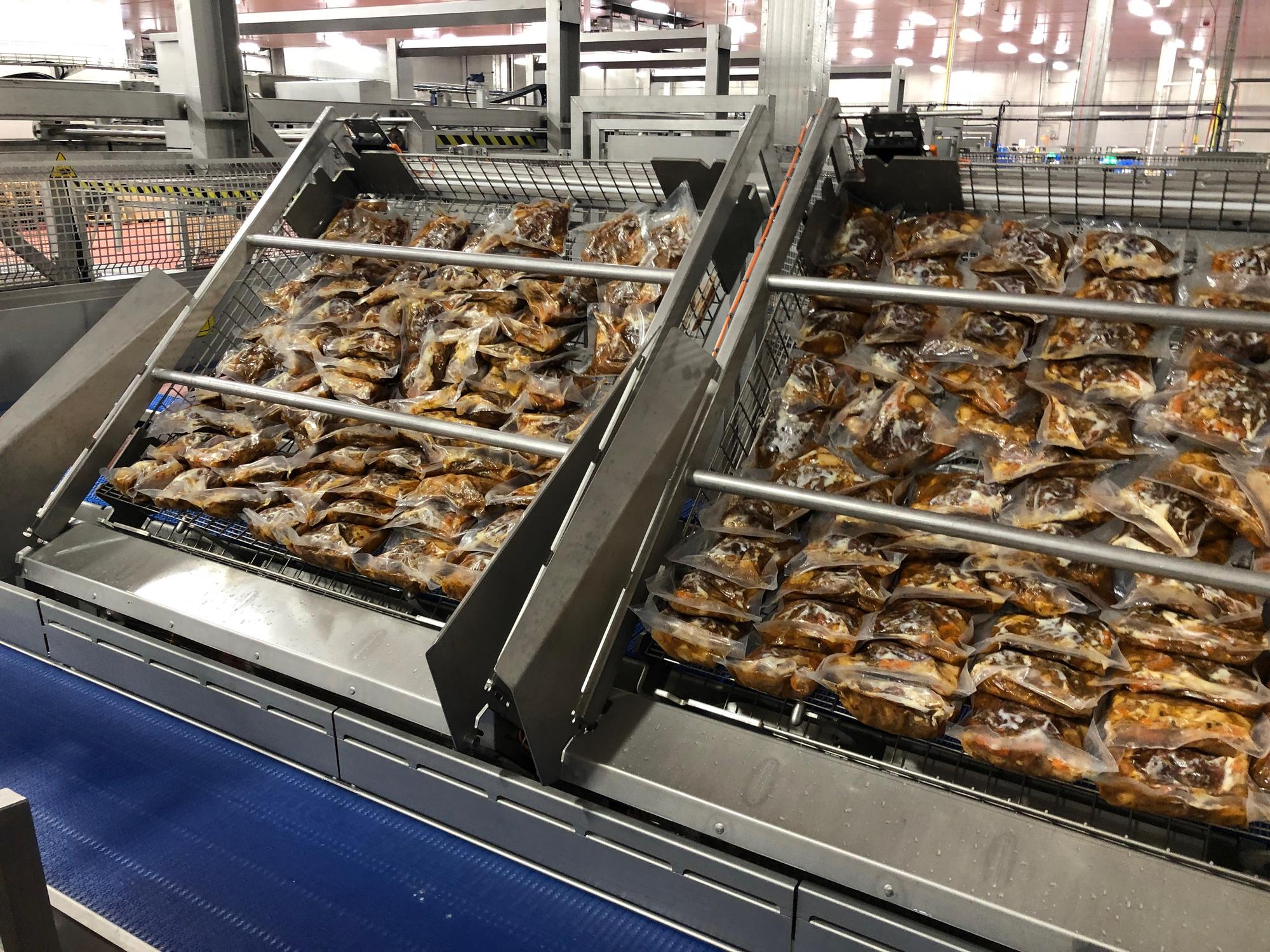
What gets built instead?
The operators refusing the inherited model, and the three disciplines that separate the survivors from the graveyard.
Read the essay →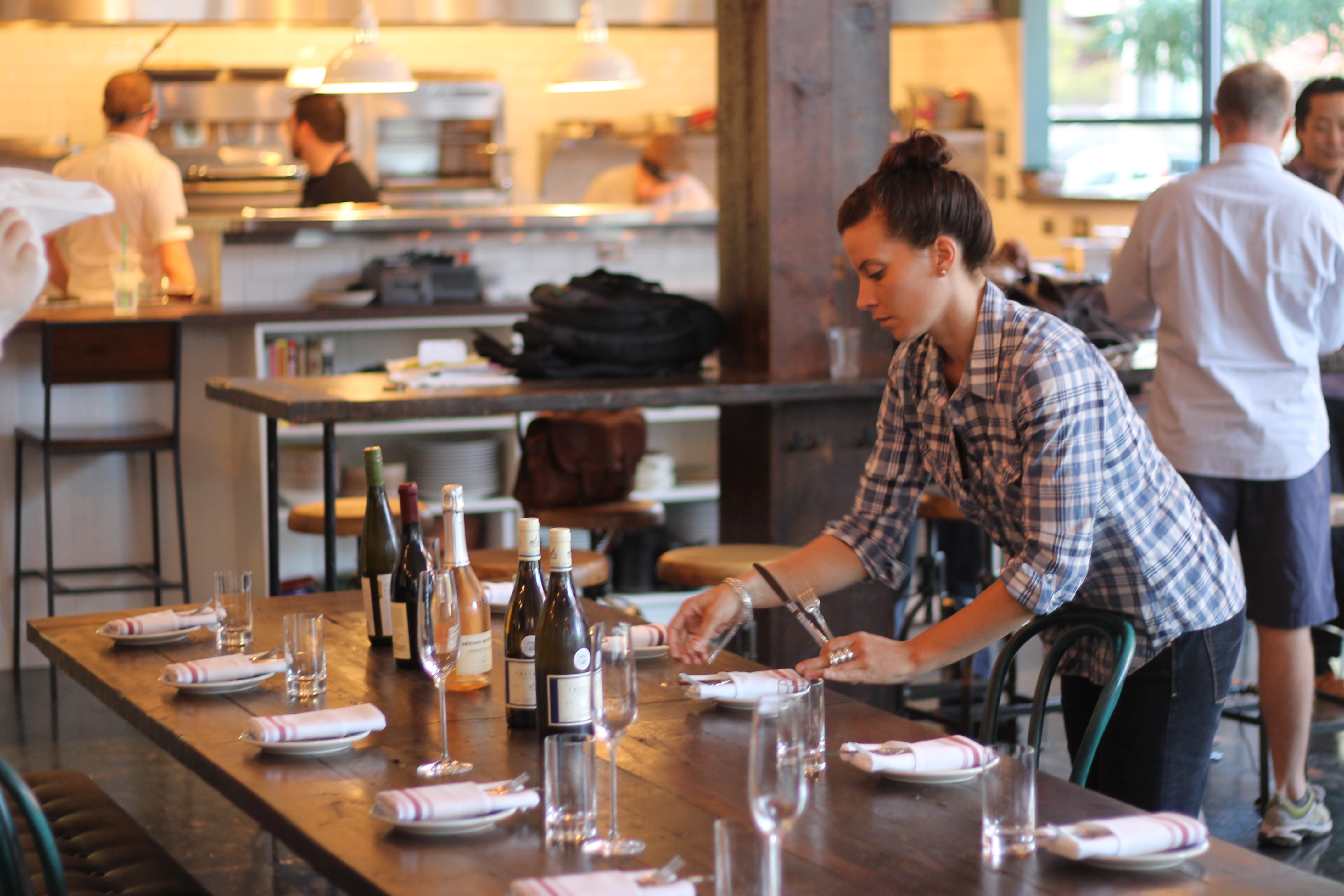
Part Five · Consumer Economics
Who was the customer?
You paid $16 for the burger that was $11 in 2015. You are not wrong about the price. You are wrong about what you are paying for.
Read the essay →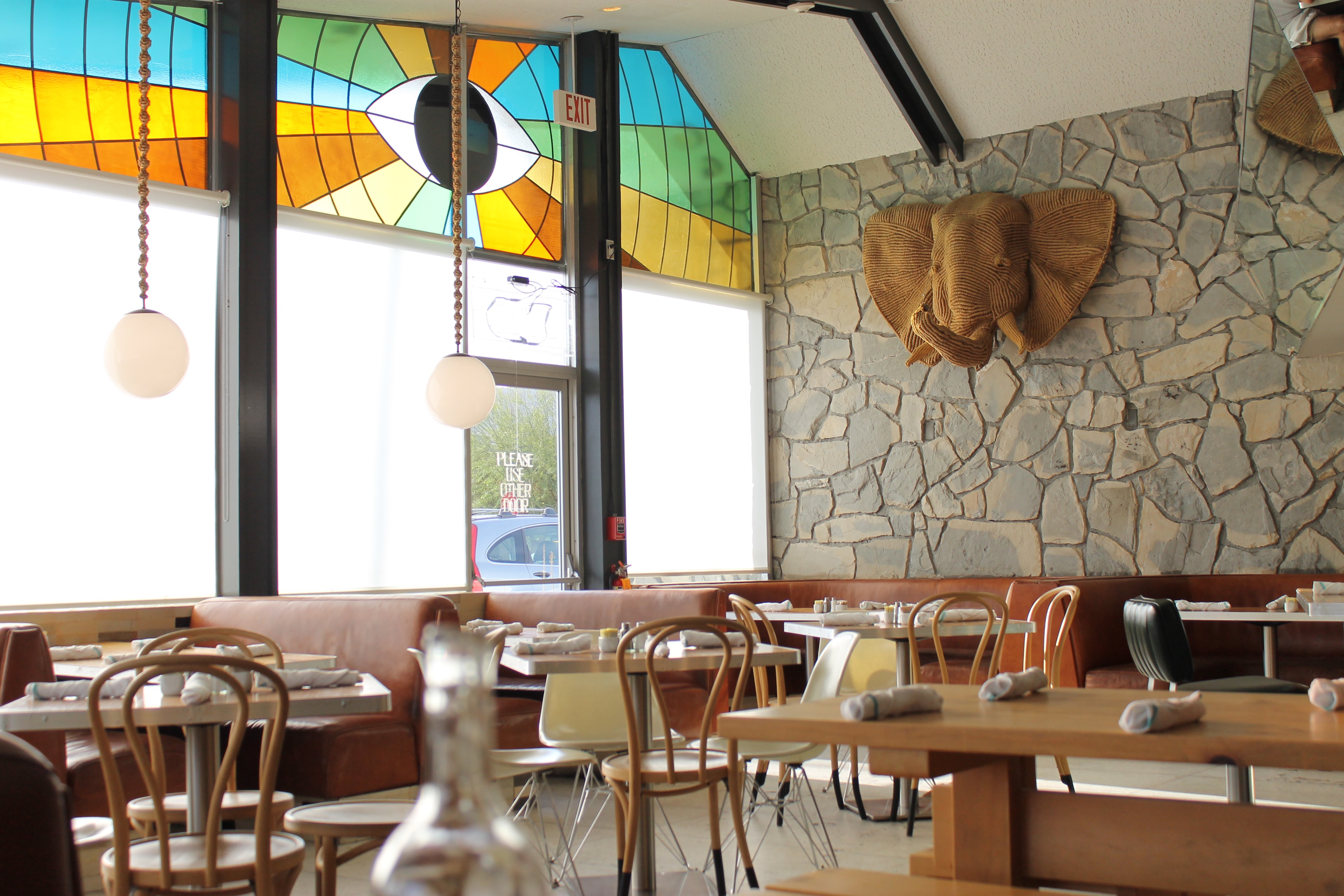
Part Four · Hospitality Economics
What happened to the room?
The restaurant industry has never been bigger. And yet most of its food leaves in a bag. The dining room is emptying because most of the rooms had stopped doing the work.
Read the essay →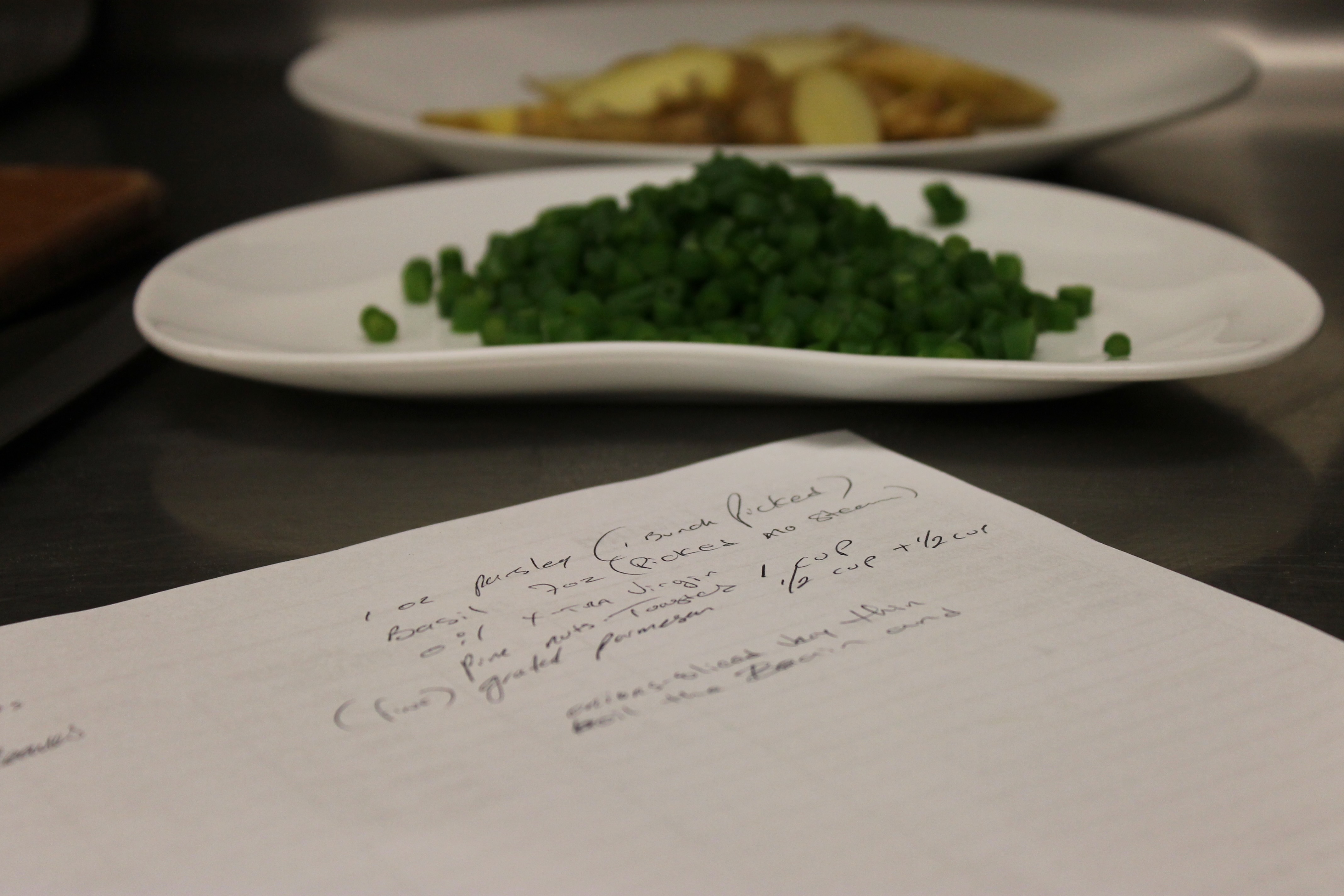
Part Three · Operator Strategy
The escape route
The delivery platforms own the customer. Some operators are taking them back. Who can, who can't, and what the next era of restaurant technology actually looks like.
Read the essay →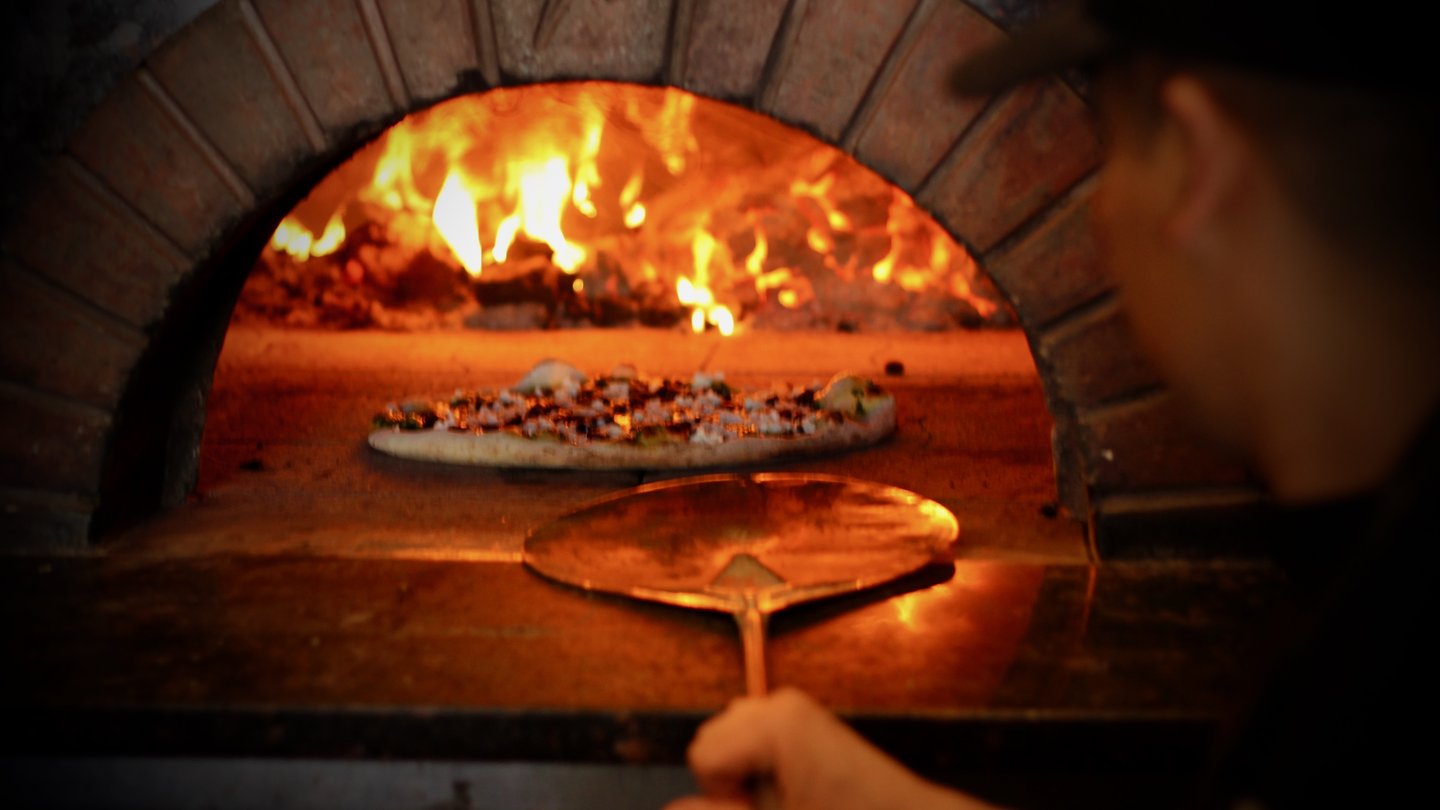
Part Two · Technology Economics
Who owns the customer?
Restaurant technology went from something you bought to something that takes a cut of everything you sell. The business model changed. The margins didn't.
Read the essay →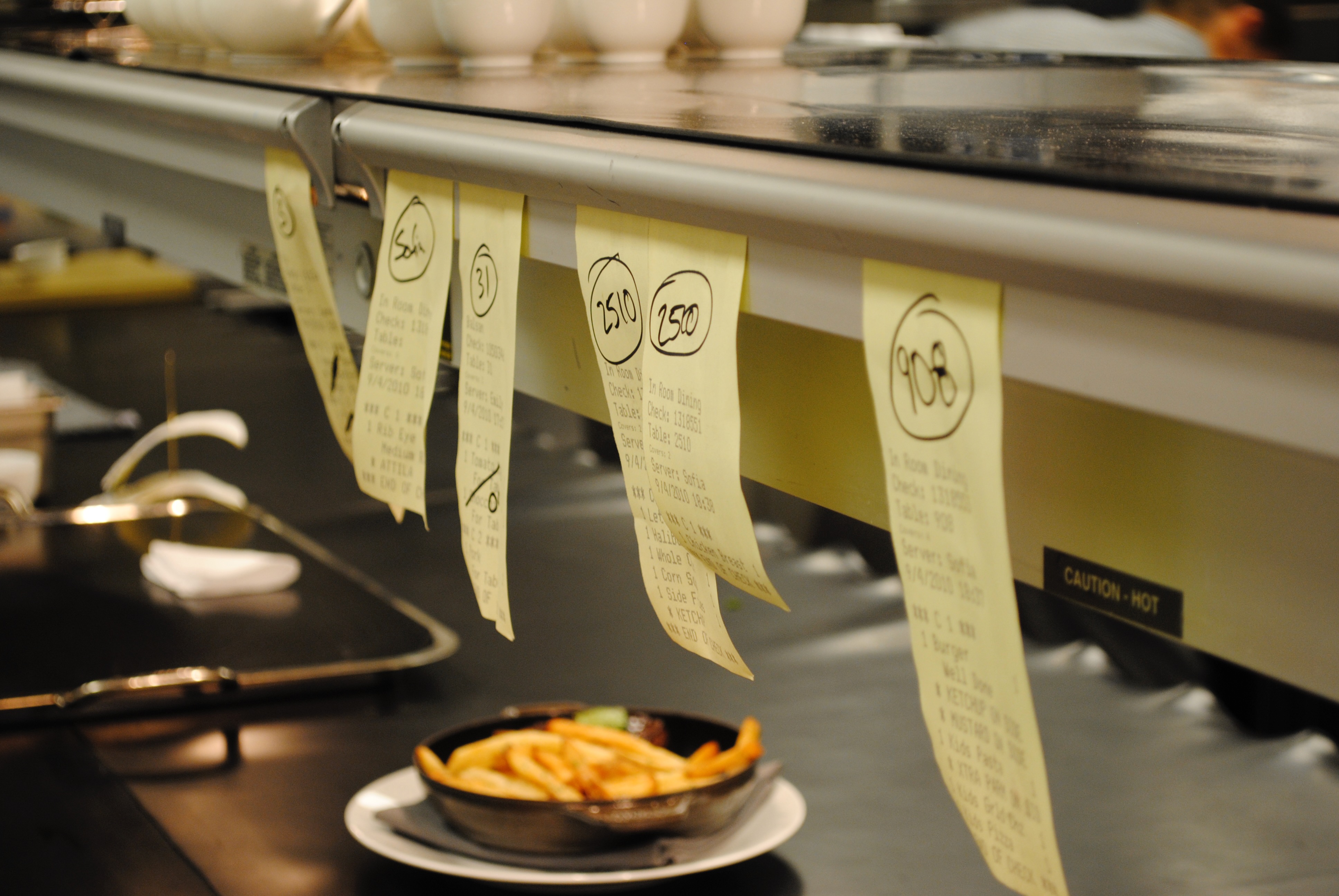
Part One · Supply Chain Margins
Who's getting rich off your $16 burger?
Companion tool · The front
Restaurants, distributors, and suppliers run on some of the thinnest margins in the economy. The money is moving somewhere else.
Read the essay →
The Alignment Test
Your technology stack works for someone. Find out who. Select your vendors and see who owns the customer relationship. Per-vendor verdicts and the Monday move for each.
Run the test →
Field notes
Shorter takes, posted first on LinkedIn. Faster cycles than the essays. Same lens.
Distribution
Sysco just paid $29B for Restaurant Depot. The most interesting part isn't the price tag.
Read on LinkedIn →
Growth
The loneliest feeling in food and hospitality is knowing your product is better than your numbers show.
Read on LinkedIn →
Innovation
People are talking about AI the way they talked about robotics. Here's what they're getting wrong.
Read on LinkedIn →
Workplace
Every QBR, the same question: what are we actually doing to make people want to be in the building? My friend Jessica has a good answer.
Read on LinkedIn →
Remembrance
I lost my friend Joe Roy recently. He was the most talented person I knew who never needed you to know it.
Read on LinkedIn →
The next series
Get the next essay when it drops.
The public series diagnosed the operator's position. The next work follows the structures that can defend it. Same lens, different vantage point.
No spam. No schedule. The work, when it ships.
Get in touch
If something here resonates with where you are, I'd like to hear about it. Whether you're a supplier trying to reach institutional buyers, an operator looking for differentiation, or an investor pressure-testing a growth thesis.
No pitch. No intake form. Just a conversation.