The industry rewards the layers that own access while underpaying the layers that create value. The series maps that pattern, piece by piece, from the supply chain to the consumer's couch. The thread is ownership. Who owns the customer. Who owns the operating model. Who owns the supply path. The operator who holds none of those is the one nobody upstream ever was.
Written for operators, investors, suppliers, and executives who can feel where the structural issues sit but don't yet have the language for them.
New here? Start with Part One and read forward. The series is seven essays. Looking for a tool? The Operator's Position diagnoses where your restaurant sits on the three faces and costs the leak. The sandbox tests a concept against the disciplines. The alignment test diagnoses who your stack works for.
By Johnny Auer, founder of Castle Peak Ventures. Twenty-five years across global food systems, institutional operators, disruptive suppliers, and emerging startups.
The arc
The series
Restaurants, distributors, and suppliers are running on some of the thinnest margins in the economy. The money is moving somewhere else. Here's where, and what the operators who are holding the line are doing about it.
Read the essay →
Restaurant technology went from something you bought to something that takes a cut of everything you sell. The business model changed. The margins didn't. Here's what that costs.
Read the essay →
The delivery platforms own the customer. Some operators are taking them back. Here's who can, who can't, and what the next era of restaurant technology actually looks like.
Read the essay →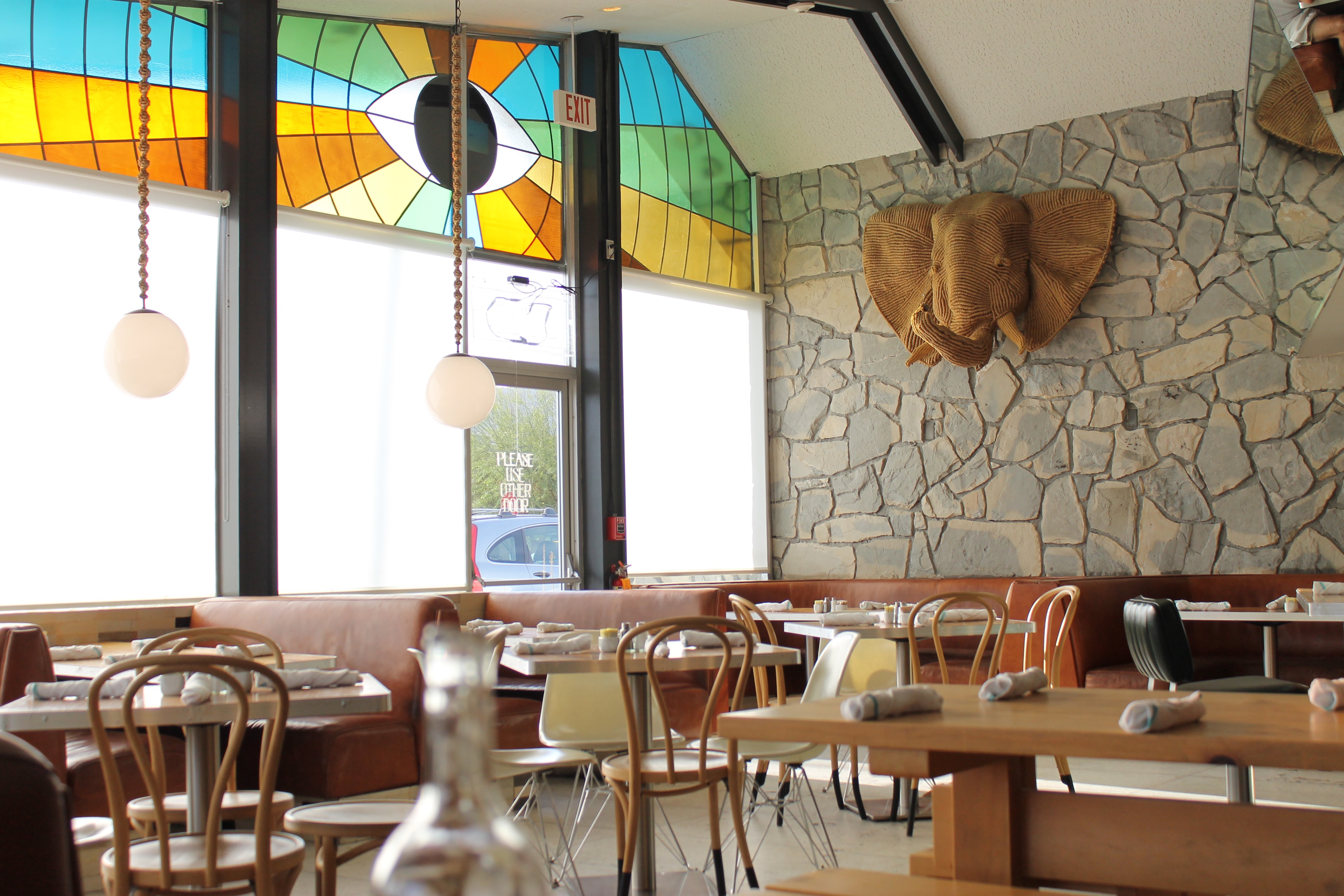
The restaurant industry has never been bigger. And yet most of its food leaves in a bag. The dining room is emptying not just because delivery offered convenience, but because most of the rooms had stopped doing the work.
Read the essay →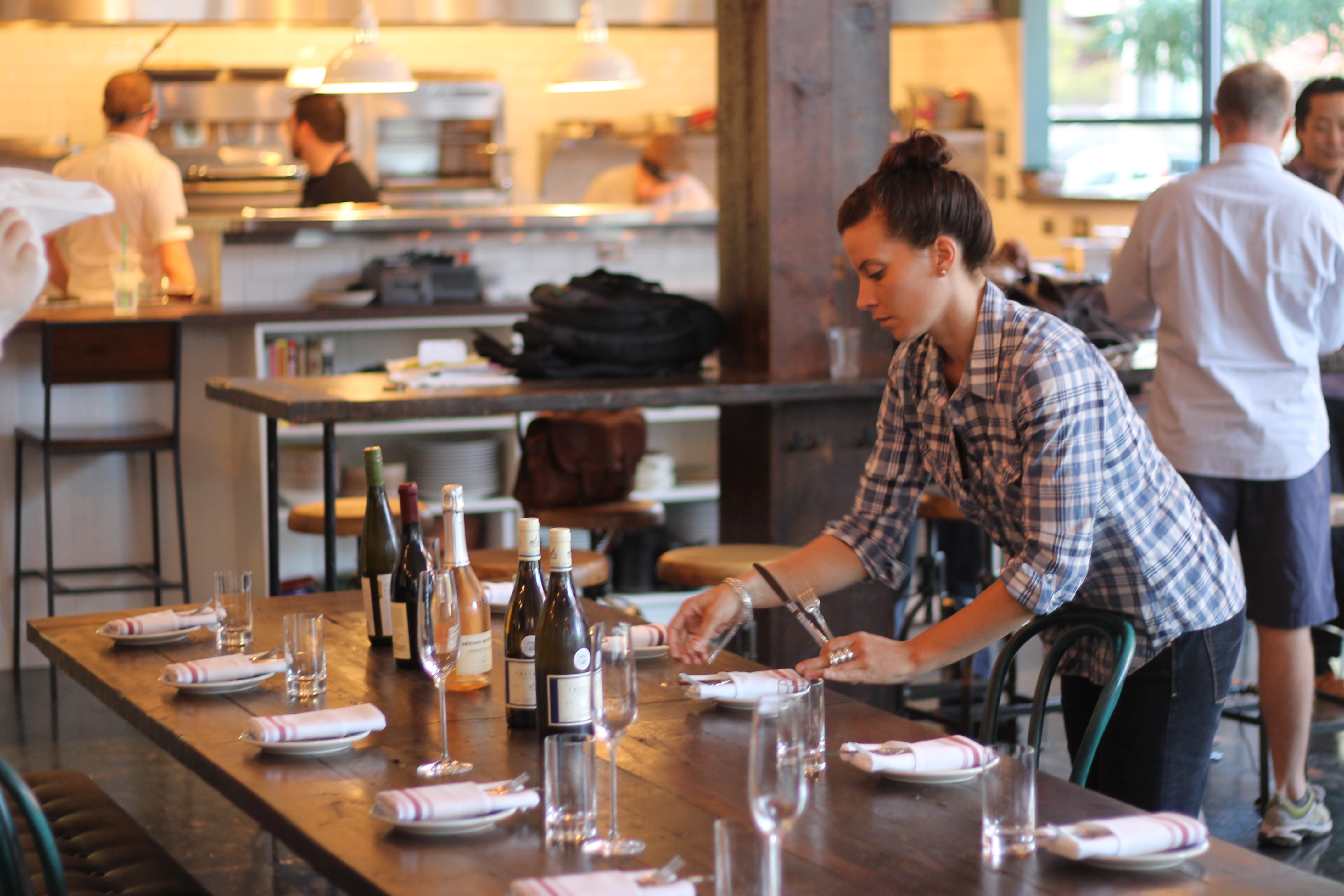
You paid $16 for the burger that was $11 in 2015. You are not wrong about the price. You are wrong about what you are paying for. What we paid for, what we got, and what we tell ourselves about it.
Read the essay →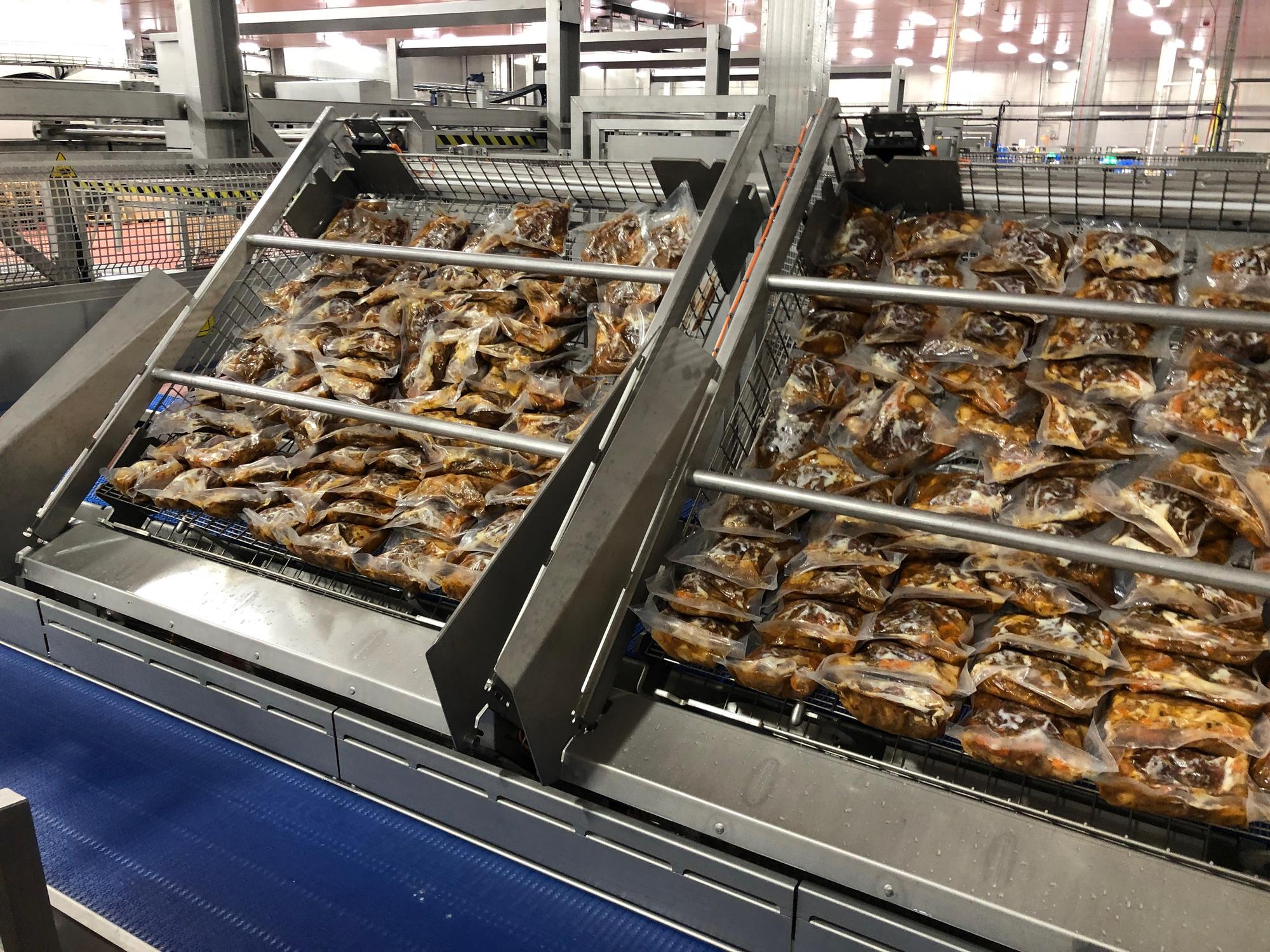
Five essays asked what happened to the restaurant. This one asks what gets built instead. A few operators have written the answer. Almost nobody else can reach it. The three disciplines that separate the survivors from the graveyard, and the layer the rest of the market still needs.
Read the essay →
Six essays followed the dollar out the front of the restaurant. This one follows it out the back, up the supply chain, to the layer the operator buys from and cannot see. One position, three faces of one squeeze, and the operator who finally holds all three.
Read the essay →Tools
Three diagnostics, one per face of the position. The operator's position covers all three. The sandbox tests the inside. The alignment test diagnoses the front.
All three faces · Companion to Part Seven The Operator's Position One position, three faces of one squeeze. Pick the statement in each that sounds most like your week. Your shape lands on a map alongside fifty-two real restaurants with public outcomes. The cost line names what each open face costs you in annual margin. Built for operators, investors, and builders. Open the tool → The inside · Companion to Part Six Operating Model Sandbox Twenty real bets on the survival map. Pull six levers and watch your concept move alongside them. The disciplines that separate the survivors from the graveyard are in the math. The map is what got built. The disciplines are what gets built next. Open the sandbox → The front · Companion to Parts Two and Three The Alignment Test Your technology stack works for someone. The series maps why that matters. The diagnostic tells you where you sit inside it. Five minutes. No login. Run the test →What's next
The public series diagnosed the operator's position. The next work follows the structures that can defend it. Same lens, different vantage point. The first essay drops when it's ready.
No spam. No schedule. The work, when it ships.
About Castle Peak
Castle Peak Ventures owns the connection between food and hospitality suppliers and the operators who buy from them. The thesis above is the lens behind the advisory engagements and portfolio work. When this argument shows up in your business, the next step is a conversation.
Field notes
Shorter takes, posted first on LinkedIn. Faster cycles than the essays. Same lens. Where the value moves, who can see it, what gets built next.